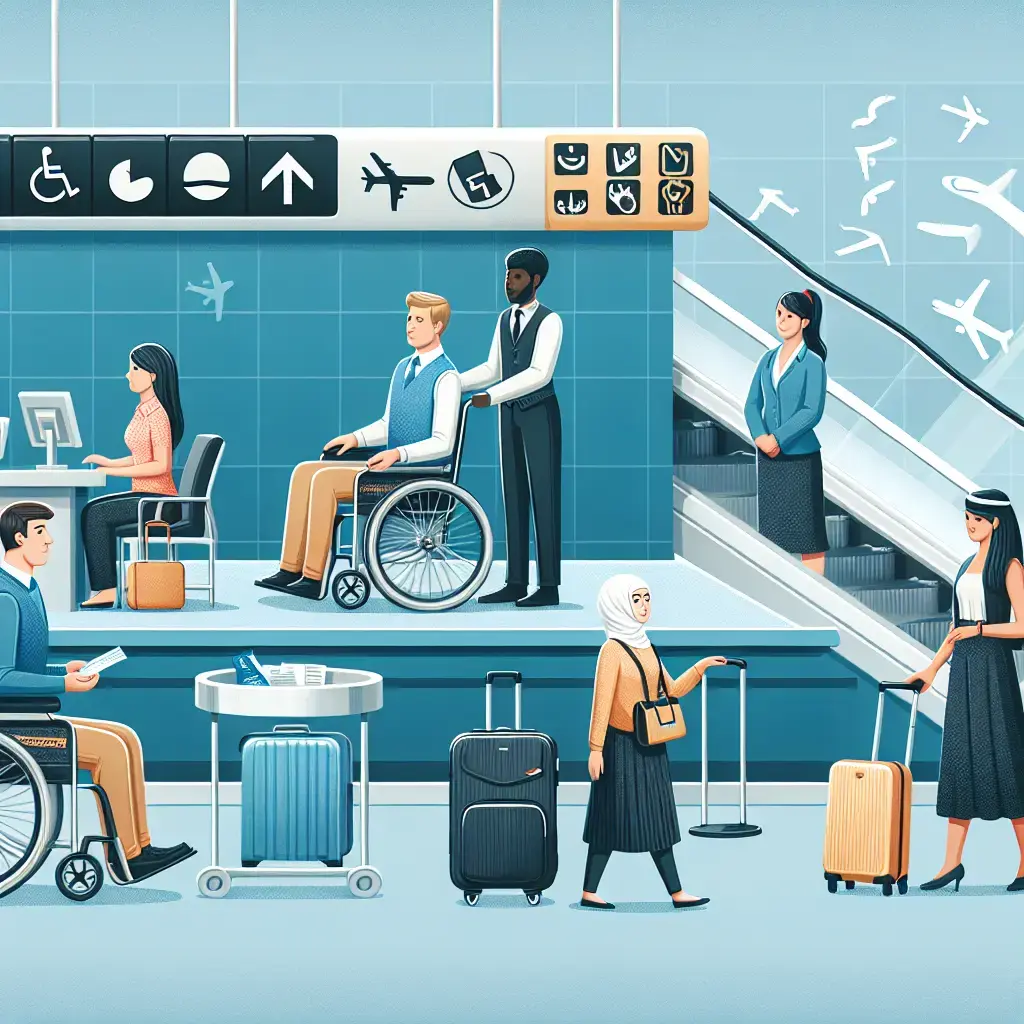
Navigating airports can be an overwhelming experience, particularly for travelers with disabilities. The good news is that there's an increasing focus on inclusivity in travel, making airports more accessible than ever before. Whether you're a wheelchair user or have visual or auditory impairments, understanding airport accessibility services can ensure a smooth journey. This guide provides practical accessible travel tips to help you navigate airports with ease.
Understanding the Current Landscape
The travel industry is continuously evolving to cater to the needs of all passengers, including those with disabilities. Recent developments highlight both progress and areas needing improvement. For instance, TV host Sophie Morgan has publicly shared her challenging experiences as a wheelchair user on flights, emphasizing the need for better treatment and facilities for disabled travelers. Such accounts highlight the importance of accessible airport navigation resources and airport assistance for disabled travelers.
The Importance of Accessible Travel Planning
Proper planning is crucial when traveling with disabilities. Before your trip, research the available airport accessibility services at your departure and arrival airports. Many airports offer comprehensive assistance, including wheelchair services, designated seating areas, and special check-in counters. Knowing these options in advance empowers you to travel confidently and comfortably.
For travelers with mobility aids, ensuring that your equipment is airline-approved and properly tagged is essential. Some airlines offer pre-boarding services for travelers with disabilities, allowing you to board and settle in before the general boarding process begins.
Strategies for Wheelchair Users
Wheelchair users often face unique challenges while navigating airports. Recent initiatives, such as the Reeve Foundation's campaign for inclusive water activities, show a growing commitment to accessibility beyond just transport. At airports, accessible travel tips include utilizing wheelchair-friendly paths and asking for assistance if needed.
- Pre-Booking Services: Contact the airline ahead of time to arrange for wheelchair assistance during check-in, security screening, and boarding.
- Accessible Facilities: Use airport maps to identify accessible restrooms and charging stations for mobility devices.
Airport Tips for Visually Impaired Travelers
Travelers with visual impairments can benefit from various airport accessibility tips. Many airports now feature tactile pathways and audible announcements to aid navigation.
- Technology Aids: Use smartphone applications designed for the visually impaired that provide step-by-step navigation through voice commands.
- Personal Assistance: Many airports offer personal escort services to guide visually impaired travelers through the facility.
Airport Tips for Hearing Impaired Travelers
For those who are hearing impaired, there are several accessible travel resources available:
- Visual Aids: Look for visual paging systems and monitors displaying flight information throughout the airport.
- Text-Based Communication: Use text messaging or live chat features provided by airlines for any questions or assistance during your journey.
Addressing Neurodivergent Needs
The need for tailored travel options for neurodivergent individuals is becoming increasingly recognized. As awareness and diagnosis of neurodivergent conditions grow, airports are implementing sensory-friendly spaces and quiet zones.
- Sensory Considerations: Check if the airport offers sensory-friendly areas designed to minimize overstimulation.
- Advance Notifications: Inform the airline about any specific needs so they can make necessary accommodations.
Senior-Friendly Airport Navigation
Travel tips for seniors often overlap with those for travelers with disabilities. Disability-friendly airports provide specific services for elderly passengers:
- Assistance Services: Utilize senior-specific airport assistance services that offer help with baggage and mobility.
- Priority Boarding: Take advantage of priority boarding options to ease the transition onto the plane.
Embracing Innovative Solutions
Technological advancements play a pivotal role in enhancing accessibility. Companies like Beep are exploring ways to make transit more sustainable and accessible. Similarly, initiatives like Airbnb's collaboration with APF France Handicap aim to offer accessible lodging options during major events like the Paris Olympics.
Conclusion: Navigating Airports with Confidence
In conclusion, traveling with disabilities no longer needs to be a daunting experience thanks to the ever-evolving focus on inclusivity within the travel industry. By understanding and utilizing available resources, disabled travelers can enjoy a smoother airport experience. Here's a recap of the essential points discussed:
- Planning and Preparation: Researching airport accessibility services and pre-booking necessary assistance ensures a more comfortable journey.
- Wheelchair Accessibility: Utilize pre-booking services and familiarize yourself with accessible facilities.
- Support for Visually Impaired Travelers: Leverage technology aids and personal assistance services for seamless navigation.
- Hearing Impaired Resources: Make use of visual paging systems and text-based communication tools.
- Neurodivergent-Friendly Options: Seek out sensory-friendly spaces and notify airlines of specific needs.
- Senior Traveler Support: Take advantage of senior-specific services and priority boarding for ease of travel.
The commitment to inclusivity in travel continues to grow, with technological advancements paving the way for more accessible transit options. As travelers, embracing these innovations not only enhances our own experiences but also contributes to a more inclusive environment for all.
As you embark on your travels, consider sharing your own experiences and insights on navigating airports with disabilities. Your stories could provide valuable guidance and inspiration to fellow travelers. For further information on accessible travel tips and airport accessibility services, consider exploring resources provided by Sophie Morgan's blog or the Reeve Foundation. These platforms offer valuable insights and support for navigating the world as a disabled traveler.
Here's to confident and comfortable travels for everyone. Safe journeys!
Author: Caleb Anderson