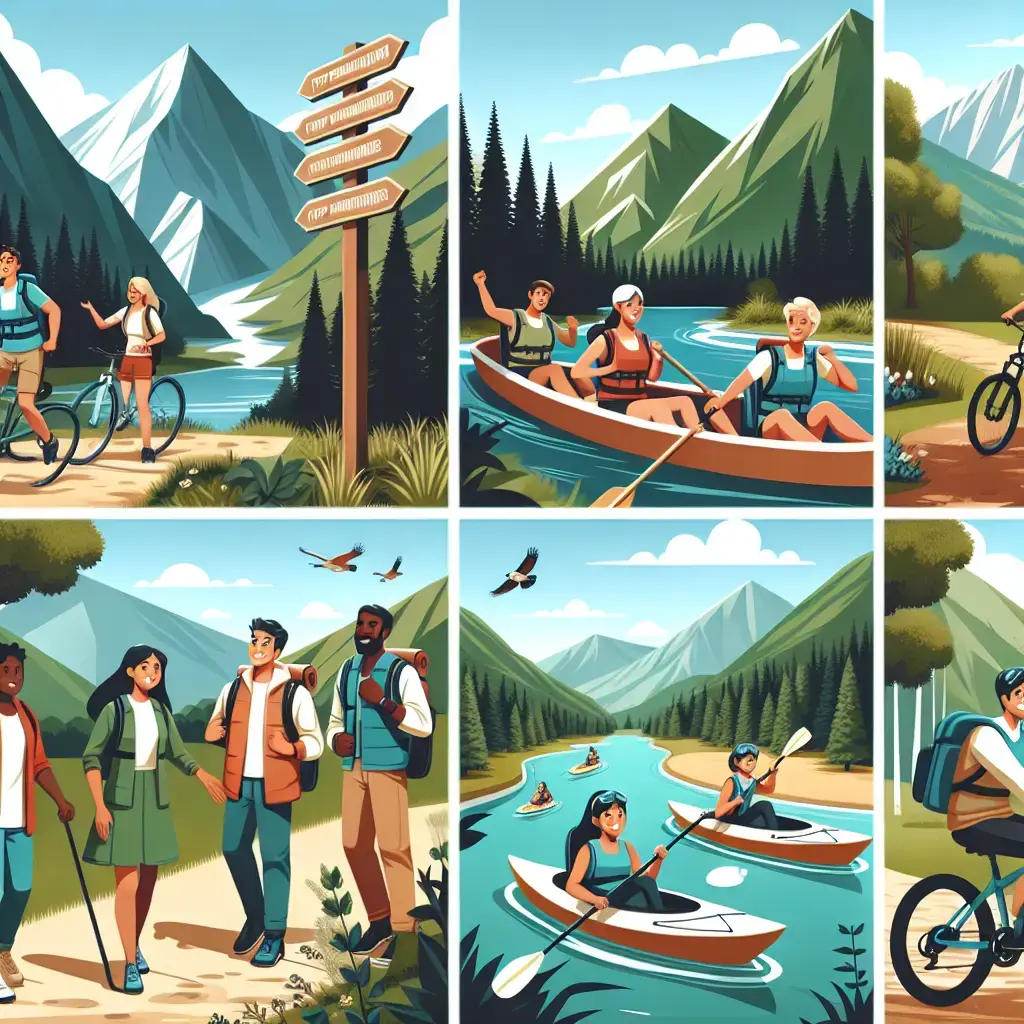
Inclusive Adventure Travel: Embracing the Outdoors for All
In recent years, the world of adventure travel has evolved significantly, welcoming explorers of all abilities to partake in the thrill of outdoor adventures. From majestic mountains to serene coastlines, top destinations now offer a spectrum of inclusive outdoor activities designed for everyone. Whether you are a seasoned adventurer or new to the world of exploration, these inclusive travel destinations promise unforgettable experiences tailored to various needs.
The Rise of Accessible Travel
The concept of adventure travel for all abilities has spurred the growth of accessible outdoor activities, ensuring everyone can enjoy the great outdoors without limitations. Imagine traversing inclusive hiking trails where nature’s beauty is within reach for all, or engaging in adaptive sports at destinations renowned for their barrier-free outdoor adventures. National parks and camping spots are becoming more inclusive, and water sports locations provide thrilling aquatic experiences.
Innovative adaptive outdoor experiences are transforming how we perceive and engage with nature. Whether you're interested in the best places for inclusive adventures or seeking adaptive sports destinations catering to a wide range of abilities, the options are expanding rapidly. Accessible adventure travel is not just a trend but a movement towards equity and inclusion in nature exploration.
Adaptive Sports Destinations
Adaptive sports destinations are becoming increasingly popular as part of the inclusive outdoor adventures movement. These locations offer specialized equipment and trained staff to facilitate participation in sports such as adaptive skiing, kayaking, and cycling. For example, Aspen Snowmass in Colorado is renowned for its adaptive skiing programs, providing both equipment and expert guidance to ensure everyone can hit the slopes safely and confidently.
Similarly, Vermont Adaptive Ski & Sports offers year-round programming that includes everything from rock climbing to paddleboarding. Their commitment to creating accessible outdoor activities is a testament to how destinations can successfully cater to diverse needs.
Barrier-Free National Parks
National parks around the world are stepping up to offer barrier-free outdoor adventures. In the United States, several national parks have made significant strides in accessibility. Yellowstone National Park has introduced accessible hiking trails and boardwalks, allowing visitors with mobility challenges to witness its stunning geothermal features up close.
Moreover, Australia's Grampians National Park has been lauded for its efforts in improving accessibility. With wheelchair-friendly paths and facilities, this park exemplifies how natural wonders can be made accessible to all.
Inclusive Camping Spots
For those who love camping, finding accessible spots can sometimes be challenging. However, many inclusive camping spots are emerging, equipped with facilities that accommodate various disabilities. Acadia National Park in Maine offers campsites with accessible picnic tables, restrooms, and pathways, allowing everyone to enjoy a night under the stars.
In Canada, Banff National Park provides similar accommodations with several campgrounds designed with accessibility in mind. These initiatives reflect a growing understanding of the importance of inclusive travel destinations in making nature accessible to all.
Expanding Accessibility in Urban Centers
The commitment to inclusivity extends beyond remote wilderness areas to urban centers as well. Ahead of the 2024 Olympic and Paralympic Games in Paris, Airbnb has partnered with APF France Handicap to provide 1,000 step-free accessible homes for visitors. This move ensures that even in bustling cities, accessibility remains a priority.
In New York City, discussions around congestion pricing highlight the importance of improving mass transit systems to support inclusive adventure travel within urban environments. By investing in accessible infrastructure, cities can become gateways to broader outdoor adventures for all abilities.
The Role of Technology and Innovation
Technology plays a crucial role in enhancing accessible outdoor activities. Companies like Beep are pioneering sustainable and accessible transit solutions that connect communities while reducing carbon emissions. These innovations make it easier for travelers with disabilities to access remote adventure travel locations without facing unnecessary hurdles.
Furthermore, advancements in adaptive equipment—such as all-terrain wheelchairs and adaptive bicycles—are revolutionizing how people engage with nature. These technologies open up new possibilities for individuals with disabilities to explore inclusive hiking trails and participate in adaptive sports.
Engaging Neurodivergent Travelers
Another aspect of inclusive adventure travel is catering to neurodivergent travelers. As awareness and diagnoses of neurodivergent conditions increase, there is a pressing need for travel options that accommodate sensory sensitivities and other considerations. Destinations offering quiet zones, clear signage, and personalized itineraries are leading the way in ensuring enjoyable experiences for all visitors.
Conclusion: Embracing a New Era of Inclusive Adventure Travel
The movement towards inclusive outdoor adventures represents a broader push toward equity and inclusion in travel. By highlighting top destinations that prioritize accessibility—whether through adaptive sports destinations or barrier-free outdoor adventures—we can encourage more travelers to embark on these unforgettable journeys.
As we look to the future, it's crucial to support initiatives that promote accessible adventure travel. Whether through policy changes, technological advancements, or grassroots advocacy, we must continue striving for a world where everyone can experience the wonders of nature without limitations.
With these efforts in mind, inclusive travel destinations worldwide are redefining what it means to explore the great outdoors. By embracing accessibility and inclusivity, they are paving the way for more equitable experiences that inspire all adventurers to push beyond boundaries and connect with nature in its most welcoming form.
For more on accessible travel innovations and initiatives, visit reputable resources such as the National Park Service and Vermont Adaptive.
Happy exploring,
Caleb Anderson